

Research Excellence
Machine Intelligence &
Knowledge Engineering
Research Clusters (MIKE)
Engineering high-impact AI systems to bridge the gap between theoretical research and practical utility in academia and industry.
Engineering high-impact AI systems to bridge the gap between theoretical research and practical utility in academia and industry.
At MIKE Lab, we believe that algorithms are only as valuable as the real-world problems they solve. We operate at the intersection of theoretical computer science and applied societal challenges.
To engineer robust, ethically grounded AI and knowledge representation systems that bridge the gap between academic theory and urgent industry needs, specifically in healthcare, public safety, and systemic data exploration.
To be a premier research cluster where pioneering machine intelligence continuously empowers human decision-making, democratizes data accessibility, and secures a safer, more informed global society.
Utilizing Label Distribution Learning (LDL) to overcome subjectivity in medical diagnostics and grading in Dermatology and Aesthetic Medicine.
Developing co-training protocols for low-resource languages, abusive language detection, and mining online news for spatiotemporal crime visualization.
Building Temporal Knowledge Graphs (TeReKG) and scholarly-code linking (SPECTER) to bridge software engineering, AI in education, and Space Exploration.
Abstract This study introduces a novel approach to enhance acne severity classification by leveraging cross-dataset training within a Label Distribution Learning (LDL) framework. Traditional acne grading methods are often subjective and inconsistent, while automated systems struggle to generalize across diverse datasets, limiting their real-world applicability. This research addresses this challenge by integrating data from multiple sources (Acne04 and AcneSCU) to train a robust model capable of accurately classifying acne severity despite variations in image quality, lighting, and skin tone.
Abstract The demand for skilled programmers and the increasing complexity of coding skills have led to a rise in the adoption of artificial intelligence (AI) and machine learning (ML) technologies in computer programming education. Previous research has explored the potential of AI in aspects such as grading assignments, generating feedback, detecting plagiarism, and identifying at-risk students, but there is a lack of systematic reviews focused on AI-powered teaching processes in computer programming classes[cite: 1576].
Abstract Asteroid detection is a critical task in astronomy for planetary defense and understanding the solar system’s evolution. Traditional methods often struggle with low signal-to-noise ratios and the vast amount of data generated by modern sky surveys. This study introduces a novel deep learning approach that leverages movement representation learned through contrastive learning to improve the accuracy and efficiency of asteroid detection. By training the model to recognize the specific spatiotemporal patterns of moving objects against a static stellar background, the proposed framework enhances the ability to distinguish true asteroids from artifacts and noise.
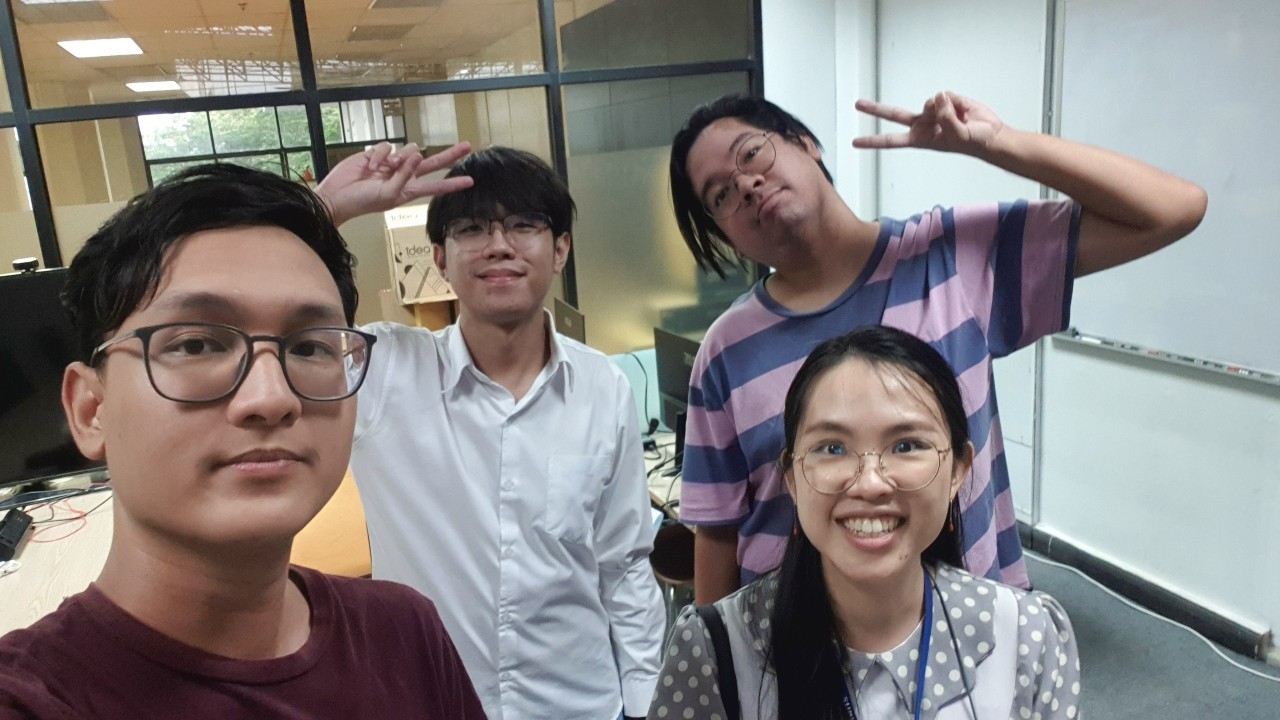
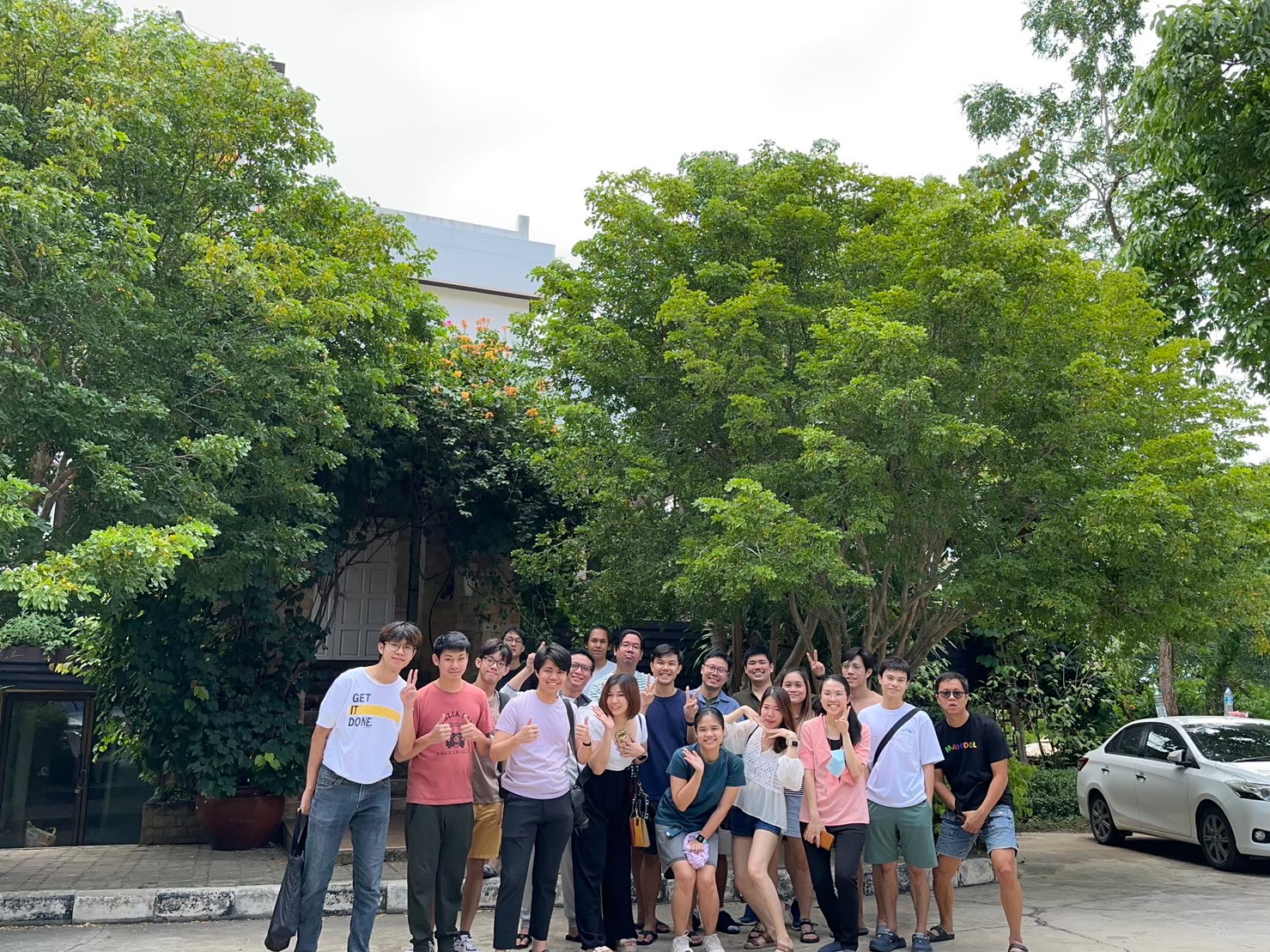
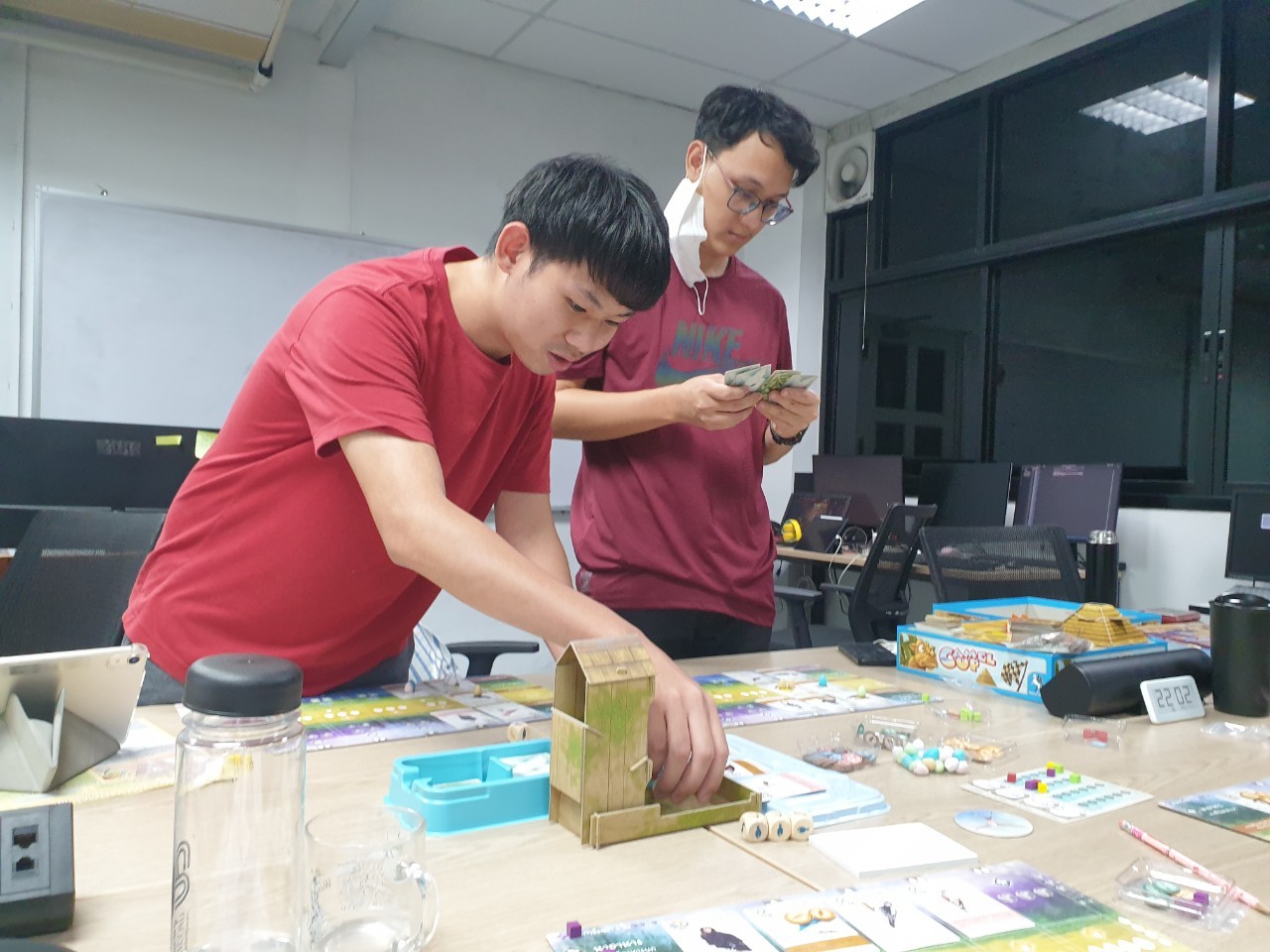

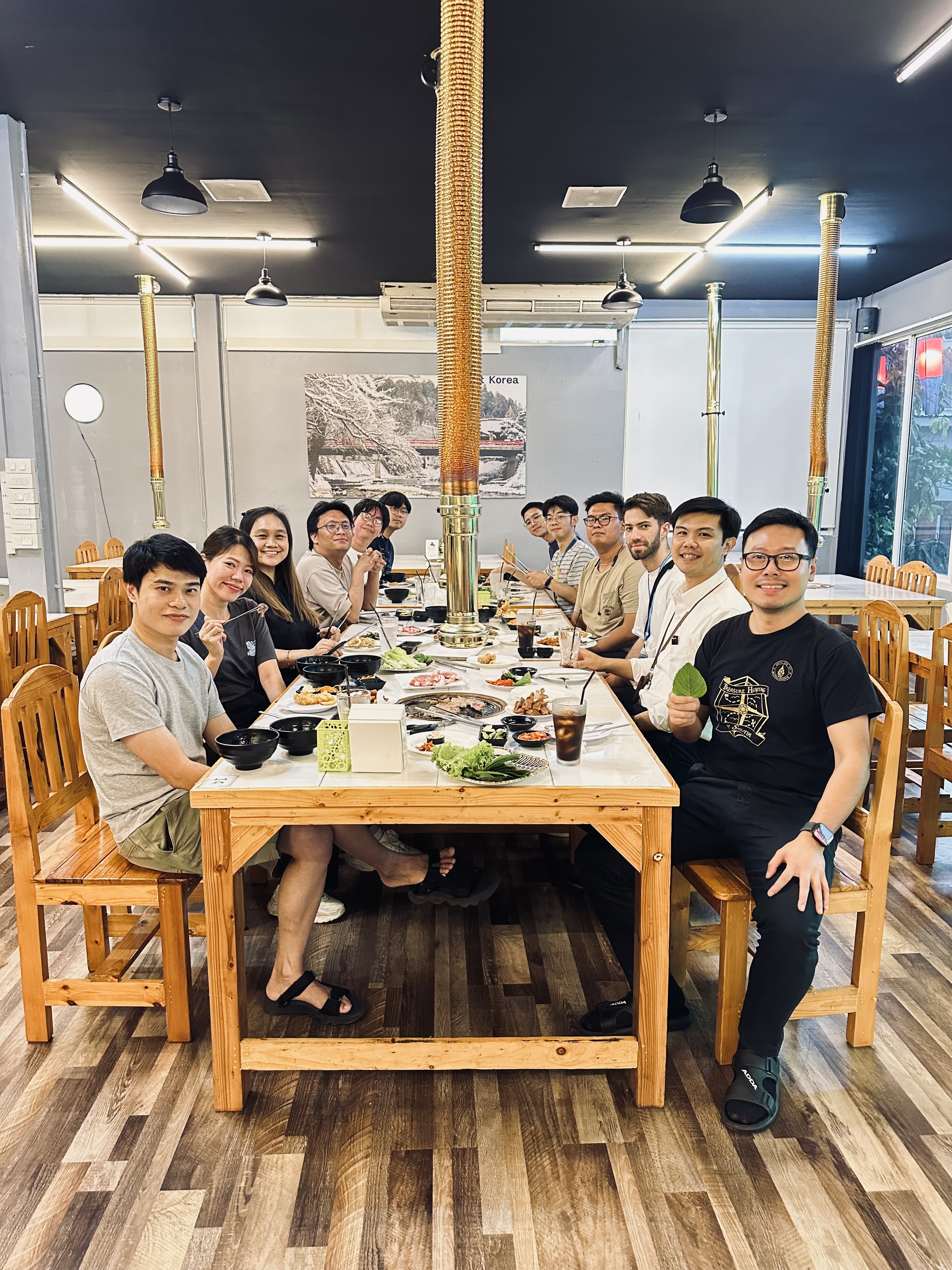
We operate at a unique multidisciplinary intersection, seeking PhD candidates, postdoctoral researchers, and industrial collaborators. If you are passionate about engineering AI solutions to solve critical global challenges, we want to hear from you.